Expert painless colonoscopy for screening, diagnosis, and polyp removal — the gold standard for colon health.
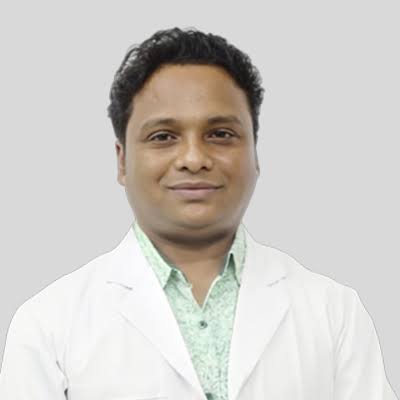
Colonoscopy allows direct visual examination of the entire colon and rectum using a thin, flexible camera, and remains the most effective tool for detecting polyps and early colorectal cancer. Dr. Krishna Pada Saha performs painless colonoscopy under sedation, so patients experience minimal discomfort while receiving a thorough, high-quality examination — and any polyps found can usually be removed in the same sitting.
Colorectal cancer is one of the few cancers that is largely preventable through screening, because most cases develop slowly from polyps that can be detected — and removed — years before they would ever turn cancerous. International guidelines recommend average-risk individuals begin screening around age 45–50, or earlier with a family history, symptoms, or other risk factors. Dr. Saha performs the procedure himself, ensuring a meticulous, unhurried examination of the entire colon rather than a rushed look, which is directly linked to better polyp detection rates.

Recognising these early can help you seek timely, effective treatment.
Every patient is different — Dr. Saha recommends the safest, least invasive option that will give lasting results.
A clear, step-by-step path from consultation to full recovery.
A detailed history and clinical examination to accurately assess your condition and rule out other anorectal issues.
Based on the severity and your overall health, Dr. Saha recommends the most appropriate — and least invasive — treatment path.
The procedure is performed under local, spinal or general anaesthesia as appropriate, most often on a day-care basis.
Because sedation is used, patients need someone to accompany them home; normal diet and activity usually resume the same or next day.
Painless colonoscopy under sedation means no anxiety or discomfort during the procedure.
Careful, complete examination of the entire colon for the best possible polyp detection.
Most polyps found are removed immediately, avoiding a repeat procedure.
Findings are explained in plain language, with a clear plan for any next steps or repeat screening interval.
With sedation, the procedure is performed while you are comfortably asleep, so most patients feel little to nothing during the examination.
A special bowel-cleansing preparation the day before, along with a clear liquid diet, ensures the colon is clean enough for a thorough examination.
Yes, most polyps found during colonoscopy are removed and sent for biopsy in the same sitting, avoiding the need for a second procedure.
This depends on findings and personal risk factors — Dr. Saha will advise an individualised follow-up interval after your procedure.
Average-risk individuals are generally advised to begin screening around age 45–50, or earlier if there is a family history or symptoms.
Yes, it is a very safe, widely performed procedure with a low complication rate when done by an experienced specialist.
Share your symptoms with our team and get guidance on the right next step.
Book Appointment WhatsApp Us